Essential Basement Fixture Selection for Optimal Flow
Enhance Your Living Area: Crucial Insights On Residential Improvement Projects for Every Homeowner
Property owners frequently look for methods to enhance their homes through remodeling services. Such undertakings may vary starting with kitchen improvements to complete home renovations. Knowing the choices accessible is necessary to choosing intelligently. Moreover, one must consider practical considerations such as setting a budget and selecting the professional contractor. When property owners embark on this process, they may run into unforeseen difficulties. The secret to a great renovation requires careful planning and performance. What steps should be taken next?
Grasping the Diverse Forms of Home Remodeling Services
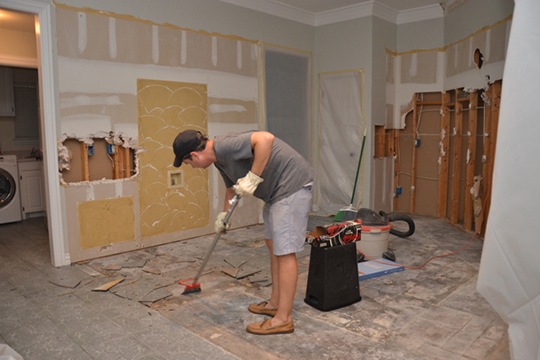
When homeowners consider renovating their living spaces, they typically find a variety of remodeling services suited to various requirements and preferences. These projects are generally grouped into a few distinct groups, each addressing specific aspects of residential enhancement. Kitchen remodeling focuses on updating appliances, storage units, and layouts to enhance functionality and visual appeal. Bathroom upgrades generally mean updating the hardware, tiling, and storage solutions for improved comfort and style.
Whole-home remodeling encompasses significant changes throughout the residence, frequently involving changing the structure to make the most of the space and movement. External improvement work, conversely, focus on boosting curb appeal, dealing with the cladding, the roof, and the garden design. Furthermore, specific options such as completing the basement and upgrading the attic help residents make the most of unused areas. Each type of remodeling service delivers specific perks, enabling homeowners to choose options that fit their desired outcome for their home life. Understanding these distinctions is essential when choosing wisely throughout the remodeling project.
Establishing a Practical Spending Plan for Your Remodeling Project
What steps ensure their remodeling projects remain within budget? Establishing a realistic budget is vital. Homeowners should begin by assessing their monetary resources, like savings and available loan choices. This first stage helps establish how much can be allocated for the remodel while maintaining other fiscal obligations.
Afterward, those undertaking the remodel should research the costs associated with their desired renovations, considering materials, labor, and unforeseen expenses that often arise. Developing a comprehensive priority list helps with distinguishing essentials from desirable features, enabling modifications if the finances are strained.
It is prudent to set aside an emergency fund, typically around 10-20% of the total budget, to cover unexpected costs. Regularly reviewing and adjusting the budget throughout the remodeling process can also help maintain financial control. Ultimately, a well-planned budget ensures the project is feasible and makes the whole updating experience better for homeowners.
Finding the Best Contractor for Your Needs.
Choosing the appropriate professional can greatly impact how well a renovation turns out. It is recommended that homeowners start by doing comprehensive research, asking for referrals from friends, family, or internet reviews. It is essential to confirm documentation, including licenses, insurance, and bonding, to confirm legitimacy.
When prospective builders are located, homeowners should request detailed estimates and timelines, allowing for informed comparisons. Discussions reveal their approach to dialogue and their level of expertise, which are crucial for working together effectively.
In read the information addition, looking at completed jobs through galleries or recommendations demonstrates the professional's skill level. It is wise to question them regarding warranties or safeguards, indicating the builder's certainty about their services.
Ultimately, selecting a contractor who aligns with the homeowner’s vision, budget, and timeline fosters a more positive remodeling experience, ensuring the work fulfills requirements and successfully updates the home's interior.
Planning and Designing Your Perfect Area.
When property owners picture their perfect areas, thorough preparation and well-considered layout become essential components of an effective updating job. The beginning stage requires reviewing existing necessities and future desires, which permits a comprehensive grasp of the room's intended function. Homeowners should consider practicality, visual appeal, and personal style, ensuring that the design reflects their individual tastes.
Following this, establishing a thorough budget is crucial. This budget should account for supplies, workforce costs, and contingency funds. Engaging with design professionals can give meaningful advice, aiding in maximizing the area while adhering to budgetary constraints.
Including features such as natural light, spacious designs, and sustainable materials can enhance the overall experience. Lastly, visualizing the project through mock-ups or 3D visualizations can assist in finalizing plans prior to construction. When handling the initial design phase deliberately, homeowners can build a comfortable, effective space suited to their way of life.
Understanding Regulations and Permits in House Renovation
Familiarizing oneself with the red tape and requirements can be daunting for homeowners embarking on a renovation. Each municipality has specific rules that determine what is allowed during renovations, frequently shaped by zoning laws, construction standards, and safety standards. Homeowners must familiarize themselves with local regulations to prevent expensive penalties or setbacks in the timeline.
In most cases, getting permits is mandatory for substantial modifications, such as structural changes or new wiring installations. This process usually necessitates providing designs for examination and could involve check-ups at various stages.
Working with a skilled professional can make this procedure easier, as they are often familiar with local codes and can help manage the documentation. It is important for homeowners to communicate regularly with the municipal planning office to ensure adherence throughout the project. By grasping and navigating these regulations, homeowners can fulfill their improvement aims and maintaining compliance with the law in their renovations.
Frequently Asked Questions
How Long Does a Typical Home Remodeling Project Take?

A typical home remodeling project usually takes between three to six months, depending on the scope of work, size of the home, and availability of materials. Intricate jobs could demand more time for completion.
What's the best way to avoid typical errors that people make when renovating?
Frequent errors during remodeling are things like failing to budget properly, neglecting permits, missing scheduled deadlines, poor communication with the construction team, and ignoring long-term functionality. Awareness of these pitfalls can lead to a less stressful, more successful renovation project.
How do I choose the right materials for my project?
Picking the best materials requires assessing durability, the look and feel, and financial limits. Investigating available choices, consulting professionals, and thinking about upkeep are vital steps to make smart choices, making sure the renovation matches your needs and preferences.
Will I be able to reside in my property while the remodeling is happening?
It is possible to remain in the house during renovations, but it may lead to inconvenience. Detailed organization, effective coordination with the renovation team, and setting aside certain zones for essential activities can help minimize disruption throughout the project.
What warranties should I expect from remodeling contractors?
Clients typically receive warranties covering workmanship, the products installed, and key building elements, typically ranging from one to ten years. It is essential to examine specific terms and conditions with contractors to clearly grasp what is covered and what is excluded.